Treatment
Alcohol Rehab Thailand: Treatment in Chiang Mai
The Warmth Rehab is a private alcohol rehab in Mae Rim, Chiang Mai. Treatment starts with a medical assessment, moves through supervised withdrawal where it is needed, and continues with therapy and planning for life after you go home.
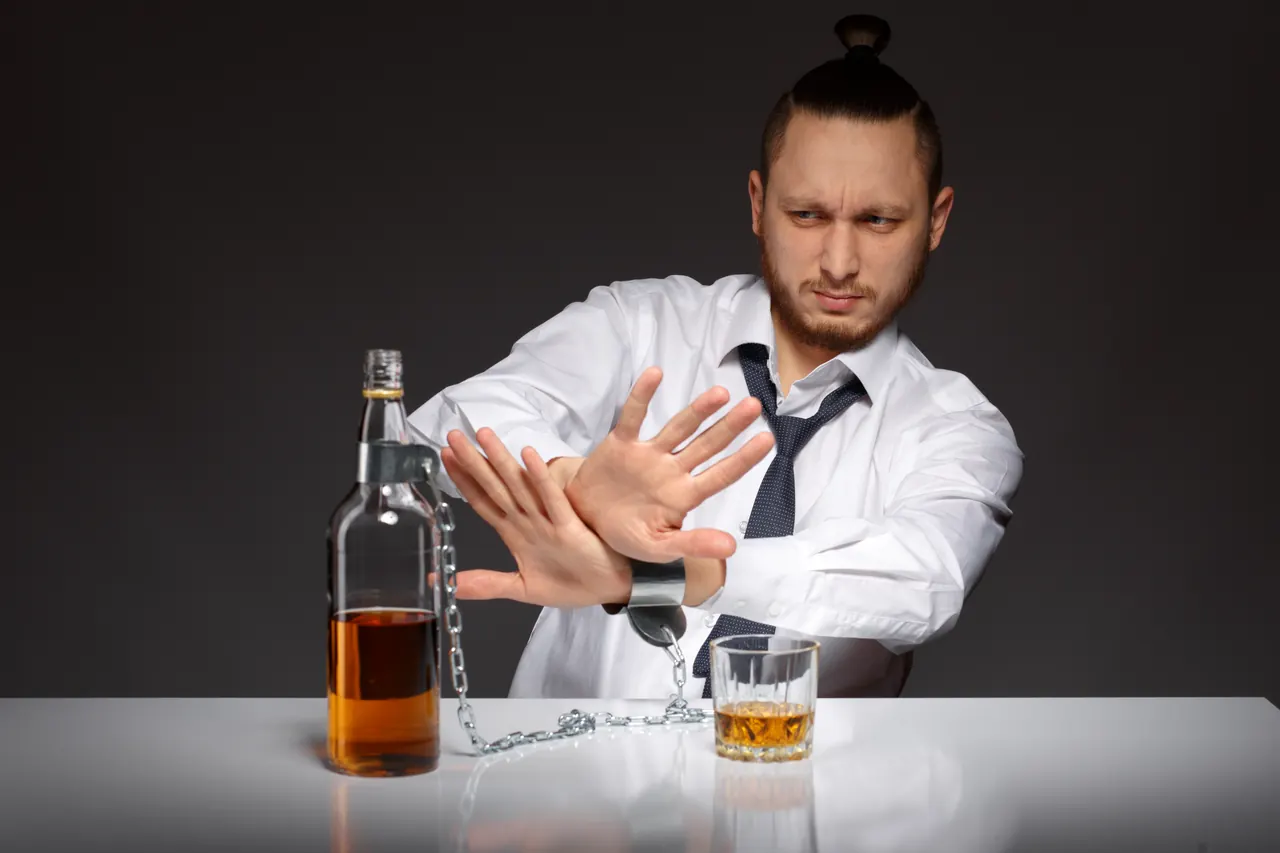
Signs that professional help may be needed
Alcohol dependence usually builds slowly, which is why it is easy to miss from the inside. Dependence means the body has adapted to alcohol and reacts badly when it is taken away. These are the signs our clinical team asks about first:
Signs that professional help may be needed
- Drinking more than intended, or needing increasing amounts for the same effect
- Withdrawal symptoms when alcohol is reduced, such as shaking, sweating, nausea, anxiety or poor sleep
- Growing impact on relationships, work or study
- Spending increasing time drinking or recovering from drinking
If several of these sound familiar, the next step is an assessment, not a decision to quit overnight.
Why alcohol withdrawal needs a doctor
Withdrawal is what happens in the body when a person who is dependent on alcohol cuts down or stops. Mild withdrawal can mean tremor, sweating, headache, nausea and trouble sleeping. Severe withdrawal can bring confusion, hallucinations and seizures, and the most serious form, delirium tremens, is a medical emergency (MedlinePlus, US National Library of Medicine).
Nobody can predict from the outside which of these a person will have. That is why every admission begins with a medical assessment through Ban Khun Morh Clinic, led by Dr. Kanok Uttawichai, a physician with more than 18 years in detoxification and rehabilitation and a former director of Thanyarak Chiang Mai Hospital, part of Thailand’s specialist addiction hospital network.
How alcohol rehab works at The Warmth Rehab
- 1
Medical assessment
Your drinking history, physical health and withdrawal risk are reviewed so the plan is safe from the first day.
- 2
Supervised withdrawal
Where detox is needed, a doctor monitors withdrawal and uses medication support where appropriate.
- 3
Residential treatment
A 28–30 day inpatient programme with daily group therapy and private sessions with a physician twice a week.
- 4
Step-down and aftercare
Step-down, transition or outpatient care helps you practise sober routines before and after you return home.
Detox only deals with the physical side. The reasons someone drinks, whether stress, grief, trauma, anxiety or habit, are still there afterwards. Therapy at The Warmth Rehab uses Cognitive Behavioural Therapy (CBT), Dialectical Behaviour Therapy (DBT), mindfulness, process groups and guided AA participation where suitable, and trauma approaches such as EMDR and Brainspotting where clinically appropriate.
Daily life during residential treatment
The residence sits among mountains and rice fields in Mae Rim, Chiang Mai, and a complimentary shuttle runs during treatment. Clients have a private room with keycard access, meals and laundry, a pool and a gym, and on-site support 24 hours a day. The inpatient programme is limited to 15 residents.
Alongside therapy, the week includes physical activity such as Muay Thai, cycling, swimming and yoga, massage at least twice a week, creative sessions and weekly excursions. Activities are adapted to each client’s physical condition and preferences as part of their individual care plan, and they are used alongside clinical treatment, never instead of it.
English-speaking alcohol rehab for international clients
The medical and clinical team works in English, and The Warmth Rehab has been trusted by Canadian clients for over a decade. If you are comparing options, see how rehab in Canada compares with Thailand. Many families contact us from the UK, Australia, the Netherlands and North America. Matt Barnhardt, a CSAT and CTP accredited therapist who began his career in Vancouver and is in long-term recovery himself, works with many of these clients.
Families often ask whether they can stay involved from overseas. The family programme is designed for that: it covers relapse warning signs, boundaries and communication, and runs alongside the client’s own treatment.
Alcohol treatment options
28–30 days of residential treatment, limited to 15 residents, with 24-hour support.
Read more → Outpatient programmeAt least 10–12 hours a week of medical and psychotherapy support while living at home.
Read more → Alcohol detoxificationDoctor-led withdrawal management through Ban Khun Morh Clinic under Dr. Kanok Uttawichai.
Read more →Programme length beyond the inpatient stay is set individually following clinical assessment. To talk through your situation in confidence, contact our admissions team.
Frequently asked questions
Is it safe to stop drinking without medical help?
Not always. Alcohol withdrawal can be unpredictable and, for people who drink heavily every day, it can become serious, so a doctor should assess the risk before someone stops. At The Warmth Rehab that assessment is carried out through Ban Khun Morh Clinic under Dr. Kanok Uttawichai.
How long is the residential alcohol rehab programme?
The inpatient programme typically lasts 28 to 30 days. Detox before it and step-down, transition or outpatient care after it are set individually following clinical assessment.
How many people are in treatment at the same time?
The inpatient programme is limited to 15 residents, which keeps daily group therapy small and gives each person twice-weekly private sessions with a physician.
Can my family take part in alcohol treatment?
Yes. The family programme runs alongside individual treatment, with at least two counselling sessions per family and SATIR family therapy sessions every two weeks during a 28-day stay.
Accreditations & partners
Trusted standards and partnerships
The Warmth Rehab is certified by Thailand Ministry of Public Health, recognised under SHA Plus, and a partner of Recovery.com and Thailand Recovery.